The Tech Arms Race
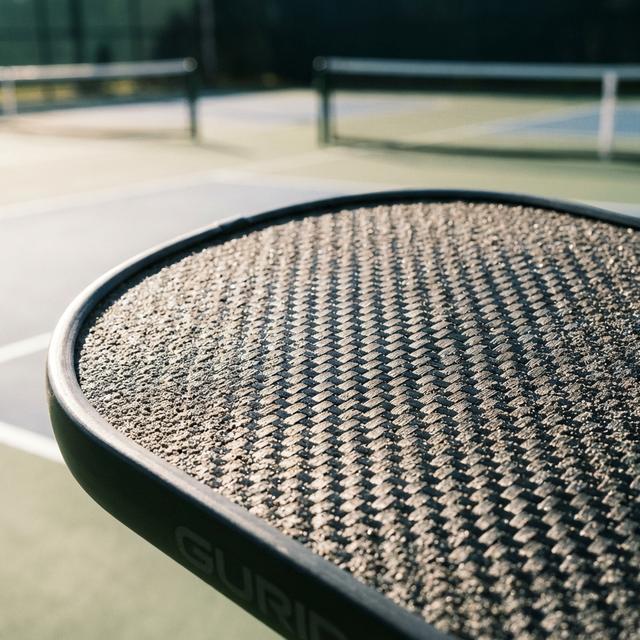
Walk onto any court in 2026. and you will notice something distinct. The distinct pop of fiberglass is being replaced by the thud of thick-core polymer. The shiny faces of yesterday are gone. replaced by matte. gritty raw carbon fiber that looks more like aerospace material than sporting equipment.
Pickleball technology has moved out of the garage and into the lab. Major innovations are emerging from brands like Joola, CRBN, and Selkirk that are fundamentally changing how the ball reacts off the face. Just as tennis moved from wood to graphite, pickleball is undergoing its own materials revolution.
Understanding this technology is not just for gear nerds. it is essential for any player looking to optimize their game. The right combination of core thickness. surface material. and static weight can mask your weaknesses and amplify your strengths.
The Engine: Core Thickness
The heart of any paddle is its core. For years. the industry standard was a simple nomad honeycomb polymer. While the material itself hasn't changed drastically. how we use it has. The most significant variable you need to understand is thickness.
There is a common misconception that a thicker core means more power. In reality. the opposite is true. A thicker core (usually 16mm or more) absorbs more energy from the impact. akin to a trampoline springing back slowly. This results in more control. a softer feel. and a larger sweet spot.
Conversely. a thinner core (10mm to 13mm) is stiffer. Energy is returned to the ball almost instantly. resulting in more "pop" and power. but significantly less forgiveness on off-center hits.
Surface Science: Carbon vs. Kevlar vs. Fiberglass
If the core is the engine, the face material is the tires. It determines how the paddle grips the ball and transfers spin. There are three main contenders in the 2026 market.
Raw Carbon Fiber (T700)
Raw carbon fiber refers to the use of a peel-ply texture created during the epoxy curing process. T700 is a specific grade of carbon fiber manufactured by Toray. known for its high tensile strength. This material is the gold standard for spin. The natural texture allows the paddle to "bite" into the ball. imparting massive revolutions per minute (RPM) without breaking down as quickly as spray-on grit.
Kevlar (Dupont Aramid)
Kevlar is making waves for its durability and unique feel. While carbon is stiff and brittle. Kevlar is tough and flexible. Paddles using a Kevlar or Carbon/Kevlar weave tend to effectively dampen vibration and can offer a unique "grabby" sensation that some players prefer for shaping their shots.
| Material | Spin Potential | Power Output | Durability |
|---|---|---|---|
| Raw Carbon (T700) | ⭐⭐⭐⭐⭐ | ⭐⭐⭐ | ⭐⭐⭐⭐ |
| Fiberglass | ⭐⭐⭐ | ⭐⭐⭐⭐⭐ | ⭐⭐⭐ |
| Kevlar Blend | ⭐⭐⭐⭐ | ⭐⭐⭐⭐ | ⭐⭐⭐⭐⭐ |
Grit and Spin Physics
Spin is generated by friction. When the ball contacts the paddle face. friction prevents it from sliding up or down the face immediately. allowing the paddle's movement to impart rotation.
USA Pickleball equipment standards place strict limits on surface roughness to prevent the game from becoming too dominated by serve artists. However. manufacturers are finding clever ways to maximize friction within the legal limits using the peel-ply textures mentioned earlier.
The longevity of this grit is the current battleground. Spray-on grit (like sandpaper) wears down rapidly. sometimes within a few weeks of heavy play. Raw carbon fiber relies on the texture of the fibers themselves. meaning it stays gritty for months or even years. For players looking to master the art of spin. this durability is non-negotiable.
Swing Weight & Aerodynamics
While we often talk about the static weight of a paddle (e.g.. 8.0 oz). the swing weight is arguably more important. Swing weight measures how heavy the paddle feels when you swing it.
This is where aerodynamics come into play. Open-throat designs (like those seen in Selkirk's Air series) reduce drag. allowing a player to swing a heavier paddle faster. Edgeless paddles also cut through the air more efficiently than those with traditional bulky edge guards.
Edge Guard vs. Edgeless: The Speed Matrix
- High perimeter weighting
- Maximum off-center stability
- Increased wind resistance (drag)
- Protects against ground scrapes
- Aerodynamic "blade" feel
- Maximum hand speed at net
- Reduced drag during reset shots
- Sleek, minimalist aesthetic
Top Tier Tech in Action
Theory is great. but how does it translate to the court? Here are a few paddles that exemplify these technologies perfectly.
- The Spin King: The Joola Ben Johns Hyperion CFS 16mm set the original benchmark for carbon friction surface technology. Its charged carbon surface offers incredible dwell time. making it a favorite for control players who want access to power.
- The Powerhouse: If you are looking for pure raw power with modern materials. the CRBN 1X Power Series utilizes a unibody design with raw carbon fiber. giving you stiff feedback and massive pop.
- The Aerodynamic Stealth: For those who prioritize hand speed. the Wolfe Bite Carbon Fiber Edgeless removes the drag of the edge guard entirely. combining a lightweight feel with a biting carbon surface.
Always check out our detailed buying guide before making a final decision. as personal preference plays a huge role.
The Future of Paddles
Looking toward late 2026 and beyond, the innovation shows no signs of slowing down. Experiments with titanium weaves for stiffness without weight are beginning to appear, along with "smart" core variable density that changes response based on swing speed.
Until then. the trinity of Carbon. Kevlar. and Grit remains the standard. Understanding these materials doesn't just make you a smarter shopper. it makes you a smarter player. capable of choosing the tool that perfectly complements your style of play.
Also. make sure your new tech is legal! Check our guide on illegal paddles to ensure you don't get disqualified at your next tournament.