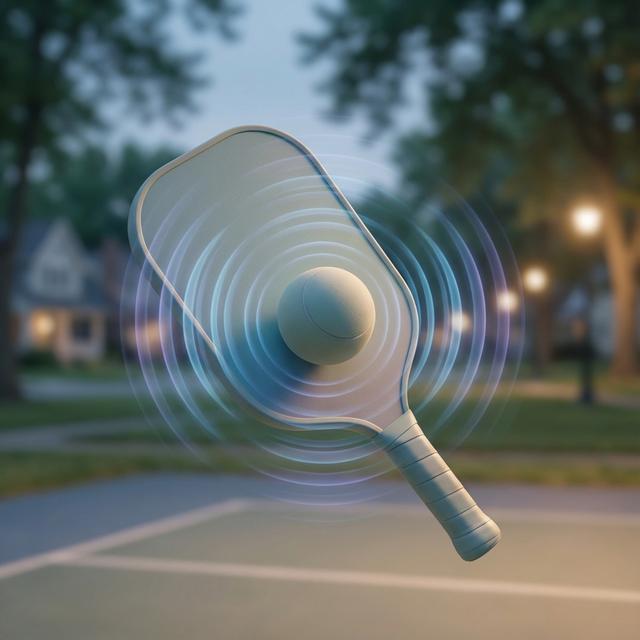
The Noise Problem: Why "Quiet" Gear Matters
Let's be honest: pickleball is loud. That iconic "pop-pop-pop" sound you hear from blocks away? It's the sport's calling card. But it's also become its biggest liability.
Across the country, courts are getting shut down because of noise complaints. HOAs are banning pickleball outright. City councils are rejecting court proposals because neighbors threaten lawsuits. In some neighborhoods, the sound of pickleball has literally turned into a legal battle.
I'm not exaggerating. In 2024, a town in Florida had to close its public pickleball courts after residents filed a class-action lawsuit claiming the noise violated local ordinances. In California, a luxury condo complex banned the sport entirely after one resident measured the sound at over 70 decibels - louder than a busy highway.
The "Quiet Category" Standard
To address this crisis, USA Pickleball launched the "Quiet Category" certification program in late 2024. This isn't some vague marketing label. It's a rigorous acoustic standard with strict testing requirements.
To earn the Quiet Category seal, paddles and balls must:
- Produce a lower peak decibel (dB) rating when tested in controlled conditions
- Generate a lower-frequency sound that doesn't travel as far as the typical high-pitched crack
- Maintain consistent acoustic performance over time (no getting louder as they wear down)
The difference is noticeable. A standard paddle and hard plastic ball can hit 75-80 dB during play. Quiet-certified gear typically clocks in around 60-65 dB. That's roughly the difference between a lawnmower and normal conversation volume.
Why Cities Are Incentivizing Quiet Gear
Some municipalities are taking this seriously. Phoenix, Arizona now offers expedited permitting for public courts that mandate quiet equipment during peak hours. A suburb in Colorado reduced court construction fees by 30% if the facility commits to quiet-only play zones.
For backyard court builders, this is huge. If you invest in quiet gear from the start, you're far less likely to face noise complaints - or worse, legal action - down the road.
The Tech Behind Quiet Pickleball Gear
Reducing noise without killing performance was the challenge. Early "quiet" paddles felt dead - like hitting with a sponge. The ball would absorb into the face and die instead of popping off with that satisfying feedback players love.
But manufacturers have figured it out. The new crop of quiet gear actually plays well. Here's how they're doing it:
1. Acoustic Foam Cores
Traditional paddle cores (polymer honeycomb, aluminum, Nomex) are designed to maximize power, which also maximizes noise. They resonate like a drum when the ball hits.
Acoustic foam cores work differently. They're made from specialized closed-cell foams that absorb vibration rather than amplifying it. When the ball strikes the face, the foam compresses slightly and dampens the sound wave before it can echo through the core.
The result? A muted "thud" instead of a sharp "crack." Power players were skeptical at first, but testing shows these paddles can still generate plenty of pace - just quietly.
2. Multi-Layer Face Materials
Some manufacturers are layering the paddle face with sound-dampening fabrics. Think carbon fiber mixed with Kevlar or fiberglass blended with rubber composites. Each layer absorbs a different frequency range, so the overall sound output drops significantly.
Brands like Selkirk and JOOLA have been experimenting with this tech. Their latest quiet models use up to five different layers in the hitting surface. Does it feel different? A little. The feedback is softer, more "plush." But once you adjust, most players don't notice a performance drop.
3. Quiet Balls: The Game-Changer
Here's where things get interesting. You can use the quietest paddle in the world, but if you're still hitting a hard plastic Dura Fast 40, you're not solving the noise problem.
Quiet balls are made from foam cores wrapped in soft plastic shells. They mimic the bounce and flight of regulation balls but at a fraction of the volume. Some are marketed as "practice balls," but they're gaining traction for recreational play in noise-sensitive areas.
The trade-off? They don't last as long. A foam ball might only be good for a few weeks of regular use before it starts losing its bounce. But if it keeps your court from getting shut down, that's a small price to pay.
The Future: "Soft Touch" Technology
Some companies are going even further. There's experimental gear using piezoelectric materials - yes, the same tech in noise-canceling headphones - to actively dampen sound at the moment of impact. It's still in beta testing, but early reports suggest it could cut noise by up to 50% without changing how the ball behaves.
Will it catch on? Hard to say. The tech is expensive, and purists hate the idea of "artificial" sound manipulation. But if it saves courts from being banned, I bet players will warm up to it.
Why You Should Care (Even If You Don't Have Noise Complaints)
Let's say you're lucky enough to live somewhere with zero noise restrictions. Your neighbors love pickleball, or your courts are miles from any homes. Why should you even think about quiet gear?
1. Vibration Control = Healthier Arms
Quieter gear doesn't just reduce sound - it reduces vibration. And that's a big deal for injury prevention.
Pickleball elbow (medial epicondylitis for you medical nerds) is caused by repetitive stress from vibrations traveling up your arm with every swing. Loud paddles tend to vibrate more because they're not absorbing impact energy. Quiet paddles? They're designed to dampen those vibrations.
I switched to a quiet paddle six months ago for unrelated reasons, and I swear my arm feels better after long sessions. Less tingling, less stiffness. Could be placebo, could be real - but either way, I'll take it.
2. Better for Indoor Play
If you play indoors - gyms, recreation centers, church halls - loud gear can be brutal. The sound echoes off walls and ceilings, turning every rally into an assault on your ears. Some facilities have even banned standard balls for indoor use because of noise complaints from adjacent rooms.
Quiet gear makes indoor play way more pleasant. No echo chamber effect, easier to hear your partner calling shots, and you won't leave with ringing ears.
3. Community Goodwill
Even if noise isn't a problem now, it could become one as pickleball grows. If your local park adds more courts or extends hours, neighbors who tolerated occasional noise might start complaining when it's happening six hours a day.
Being proactive about noise shows you're a good neighbor. It builds goodwill with the community and makes it less likely courts will face restrictions or closures down the line.
Planning a Backyard Court?
Noise is the #1 reason backyard pickleball courts get shut down after construction. Starting with quiet gear can save you thousands in soundproofing or legal fees. Check out our guide to Indoor vs Outdoor Balls to see how ball choice affects noise levels and durability.
The Bottom Line: Quiet Is the Future
Like it or not, "quiet pickleball" is here to stay. As the sport continues its explosive growth, managing noise is going to be critical for keeping courts open and communities happy.
By 2026, I wouldn't be surprised if many public facilities require quiet-certified gear during certain hours. Some private clubs might make it mandatory year-round. And if you're building a backyard court? Quiet equipment isn't optional - it's essential.
Should You Buy Quiet Gear Now?
If you live in an HOA, near residential areas, or play at shared facilities, absolutely. Even if you don't face noise restrictions yet, having a quiet paddle and a few foam balls in your bag is smart insurance.
The performance gap between quiet and standard gear is narrowing fast. In another year or two, you probably won't notice a difference at all - except that your neighbors won't be filing complaints and your elbow won't be screaming after a three-hour session.
The future of pickleball is sustainable growth. That means being a good neighbor, respecting noise ordinances, and adapting to the reality that not everyone loves the sound of pickleball. Quiet gear is how the sport adapts.
So yeah, embrace the quiet revolution. Your arms, your neighbors, and the sport itself will thank you.